
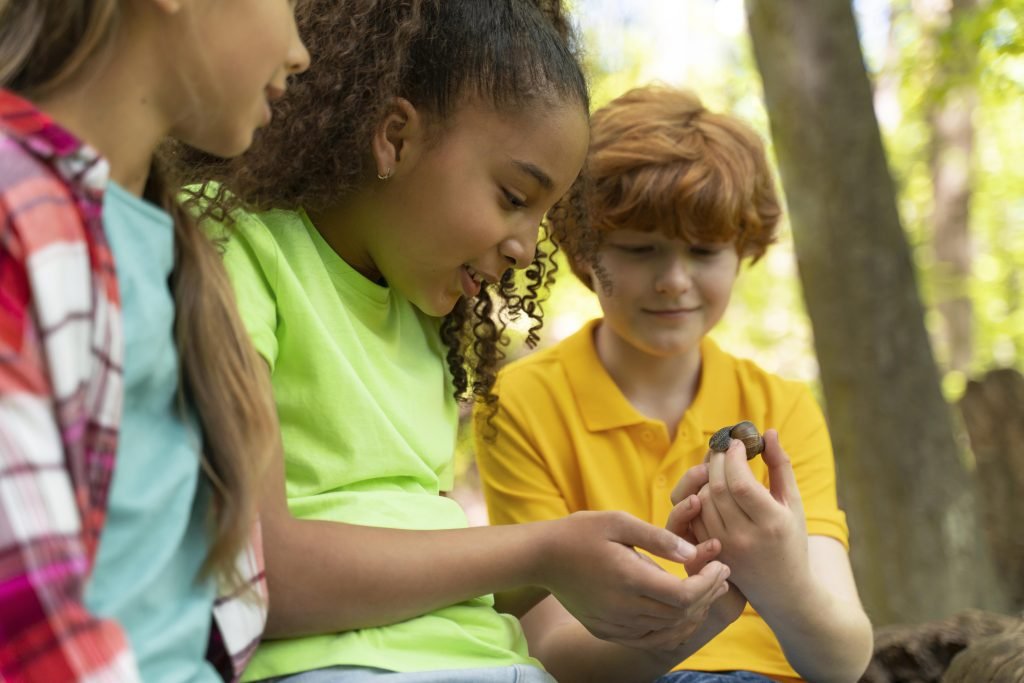
Summer camps aren’t just fun places for kids to go; they offer valuable social skills and life lessons. They are special spots where kids learn morals that will stay with them forever. Summer camps teach more than just skills. They shape character as well. For example, kids learn how to build a campfire, boat across a calm lake, and work together to solve a problem. Camp is a great place for kids to feel free and independent because it’s often their first time away from home.
Kids get to try new things that test their patience, ability to work with others, and bravery in these safe and organized places. They learn how to listen, treat others with care, and think critically with the guidance of experienced leaders. These lessons follow them around all the time, not just at the camps. Summer camps are still a great way to teach kids strong morals and social skills, even as parents seek more enriching activities for their children. Let’s talk about how these unforgettable events change young minds and help make the next generation better.
Building Teamwork Through Shared Challenges
One of the first things kids learn at summer camp is how to work with others. Campers learn to depend on each other through activities like obstacle courses, team sports, and jobs around the cabin. Children learn very quickly that working together is the most effective way to accomplish tasks. They have to listen, talk, and help each other, whether they’re paddling a boat or figuring out a scavenger hunt. This helps kids understand and value other people’s ideas. When people make mistakes, they become chances to learn as a group in a supportive environment, not as single failures. Campers cheer for each other when they succeed and get stronger when they fail. This natural connection helps people become lifelong friends and work together in school, at home, and later in their careers. In a world that values collaboration, children who learn to be team players early in life through camp programs have a significant advantage.
Developing Independence and Personal Responsibility
When kids go to summer camp, they are away from their normal lives and the help of their parents. They can now make their own decisions and be responsible for their actions as a result of this change. Campers are expected to take care of themselves independently every day, such as getting up on time and organizing their belongings. This freedom makes you feel more confident. Children are proud when they figure out a problem or complete a task on their own. They also learn the importance of taking care of themselves. Things will happen if they forget to bring their lunch or leave their gear behind. These little lessons add up and shape how well they can handle their duties. Children learn to be more independent at summer camps, which helps them prepare for challenges in school, college, or the workforce.
Strengthening Moral Integrity and Leadership
Many summer camps have set schedules that teach kids how to be honest, fair, and do the right thing, even when no one is looking. Young people at camp learn what it means to have good morals through stories, role-playing exercises, and group discussions. Being a leader is also a big part of life at camp. People who have been to camp before or are older are often asked to lead new kids and teach them by doing. Being in charge of other children helps them become more responsible and aware of how their actions affect others. To build a sense of integrity, campers do small, brave things, such as standing up for a friend or admitting they were wrong. People with these beliefs have a strong character that guides them through life.
Encouraging Resilience Through Outdoor Adventures
Having to deal with the weather, like rain, heat, or a difficult hike trail, makes you stronger. When kids attend summer camp, they have the opportunity to experience nature in ways that challenge their minds and bodies. They learn not to give up when it’s hard to get to the top of a hill or start a fire with just a spark. They learn that problems are not hurdles but opportunities to improve. Even though camp staff are there to help, campers are expected to figure out their problems. As you face and overcome new challenges, your confidence grows. The campers know that it’s okay if things don’t always go as planned. This toughness stays with them for life, giving them the strength to handle life’s challenges with confidence.
Promoting Respect and Community Living
Kids learn to respect personal space and different points of view when they live with others in a shared house or tent. Campers come from many different places, and it’s essential to learn to accept those differences. They must work together with their cellmates, follow the rules, and take turns during activities. These small things help people respect one another. Camp also helps people feel like they fit in and are part of a community. Everyone feels like they are a part of the group when they do things like sing around the campfire or celebrate team wins. The kids at camp learn that they are a part of something bigger. This sense of community encourages people to be kind, tolerant, and understanding, all traits that our society needs in abundance right now.
Conclusion
Summer camps are one-of-a-kind places where learning and having fun go hand in hand. Not only do kids remember fun times at camp, like swimming, climbing, and roasting marshmallows, but they also learn important lessons about life. They are smarter, more responsible, and more aware of the world around them when they get back home. They remember the ideals they learned as adults, such as respect, honesty, independence, teamwork, and strength. These camps are crucial for developing young minds into thoughtful, capable adults. When considering how to raise the next generation, summer camps are a proven and effective method.
If you want to learn more about how summer camp can change people in lasting ways, you might want to read “Wabaningo” by Jim Valentine. This poignant story transports readers to a Boy Scout camp in the woods of Western Michigan in the 1950s. The book Wabaningo demonstrates how young boys develop strong morals through engaging stories of canoe trips, leadership challenges, and moral lessons. This Book Writer Jim Valentine book is a beautiful ode to youth, growth, and the enduring strength of community. Check out Wabaningo to see how camp continues to change the lives of young people by teaching them skills that will last a lifetime.