
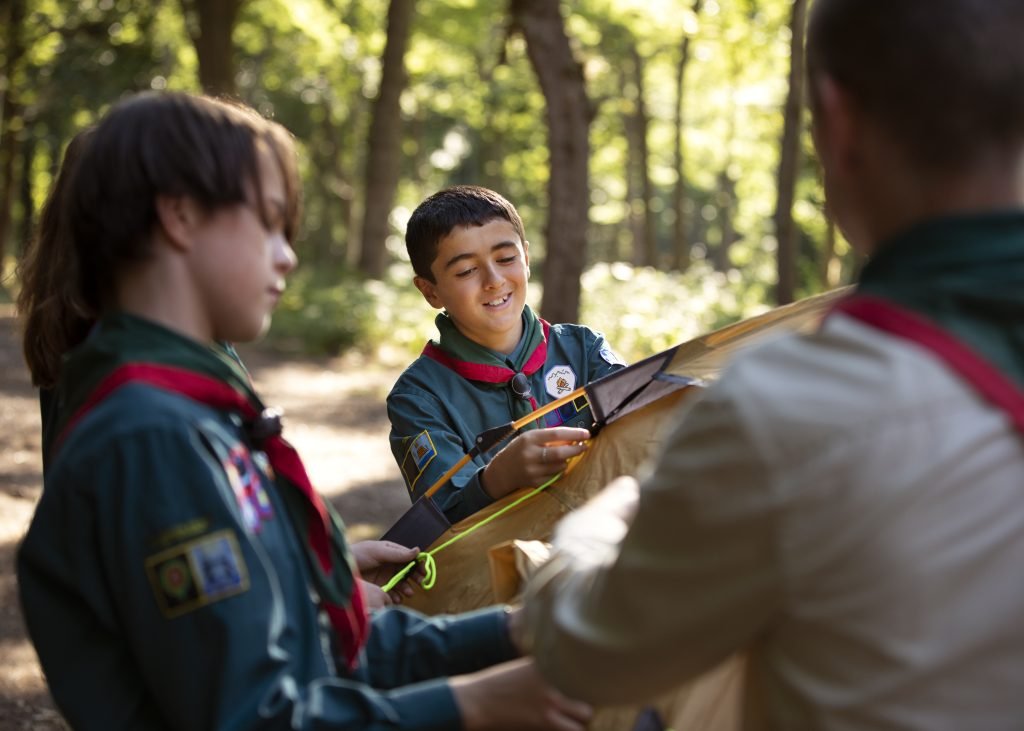
Children grow best when they are given space to learn through hands-on experiences. A campground gives the perfect setting for learning strong values and important life skills. Children learn through real activities, not just books. They develop courage, teamwork, and confidence through small, everyday tasks. This is called experiential leadership. What do kids do when they have to pitch a tent, help a friend, or follow a trail? They learn to lead, help others, and solve problems.
These are powerful leadership lessons that grow naturally in the wild. Through each task, they take steps toward character building. Can your child make a choice on their own? Can they guide others kindly? These moments shape strong leaders. Teaching problem solving and handling challenges helps kids find their inner voice. So, let’s talk about how to develop leadership skills in your child through the beauty and fun of campgrounds.
Learning Through Daily Tasks and Routines
At campgrounds, kids are always moving, trying, and learning. What happens when it’s time to cook outdoors or clean up after a meal? Children must work together, take turns, and decide who leads. These small moments offer real leadership lessons. Why does one kid step up while another follows? That’s part of experiential leadership—learning by doing. It’s not about being the boss. It’s about helping everyone work better.
These jobs also help with character building. Children learn to care for others and themselves. Can your child manage a chore without being told? That’s a sign of growth. These actions help with teaching problem solving, too. What if there’s no spoon or the fire won’t light? They find answers, ask for help, or try again. This is how we grow strong, kind leaders. So, when we talk about how to develop leadership skills, we must start with the basics—daily campground life.
Team Games That Build Character and Confidence
Group games are more than just fun. They teach deep lessons that shape a child’s heart and mind. What happens when kids play capture the flag or team relay games? Someone must lead. Someone must follow. Some kids cheer, others plan. This is pure experiential leadership. No one is reading a book on leadership, but they’re living it. They make decisions, guide others, and support teammates.
These games are full of leadership lessons. Children learn that being kind and fair is better than just winning. That is how character building happens. Is your child the one who helps a teammate who falls? Is your child okay with losing with grace? These are signs of a strong leader. During these games, we are also teaching problem solving—how to change plans when the game shifts. So, if you are asking how to develop leadership skills, know that even play can help a child become a brave, kind leader.
Facing Nature’s Challenges with Courage
Nature has a way of showing us who we are. What happens when it rains, or the trail gets muddy, or the map seems wrong? These moments are hard, but they build strong kids. They teach true leadership lessons—like staying calm, being brave, and helping others. When kids hike in the woods or spend the night in tents, they’re learning experiential leadership.
They learn that leading means caring, thinking, and staying strong even when it’s tough. These moments are key to character building. Is your child able to think clearly when scared? Can they comfort a friend in the dark? That’s real leadership. Teaching problem solving in nature is easy. You don’t need a book—just a small challenge. So, can we fix this broken tent? How do we find our way? This is how to develop leadership skills in the simplest way. Nature teaches kids to lead with heart and mind.
Storytelling and Reflection Around the Campfire
Campfire talks are powerful. They allow kids to share their feelings and learn from one another. When kids talk about their day or listen to others, they grow inside. These are hidden leadership lessons. Why? Because leaders listen. Leaders speak with care. Sitting under the stars, kids learn to be honest and brave with their words. This is a form of experiential leadership—learning to guide with respect and kindness.
These quiet talks help with character building. What did I do right today? What can I do better? Can I say sorry? Can I praise others? These moments matter. Kids learn how to lead with love, not fear. These talks also help in teaching problem solving. Children hear how others solve problems and feel strong enough to try on their own. So, if you’re wondering how to develop leadership skills, sit with your child, talk about their day, and let their heart grow.
Building Trust and Independence Through Camp Roles
In campgrounds, every child has a role. Some lead hikes, some clean the kitchen, and others care for the campfire. These roles are not just tasks—they are life lessons. Giving a child responsibility teaches deep leadership lessons. It shows them that they are trusted. And trust builds confidence. This is the heart of experiential leadership. Children lead in their way, learning what works and what doesn’t.
These roles also help with character building. A leader isn’t perfect—they try, they fail, and they try again. Is your child learning from their mistakes? Are they helping others grow? That’s a strong character. These roles are also great for teaching problem solving. What do you do when things don’t go as planned? A real leader doesn’t give up. This is exactly how to develop leadership skills—by letting kids lead in safe, small ways. So, the campground is the best place to learn that leadership is about heart and effort.
How To Develop Leadership Skills In Your Kids
Campgrounds offer more than a break from screens—they give space for growth. Children grow in courage, kindness, and confidence when given the right space. With every meal they cook, every game they play, every storm they face, and every story they share, they are learning leadership lessons that last a lifetime. They are experiencing true experiential leadership that goes beyond books or lectures. They are walking the path of character building step by step.
Along the way, they solve problems, both big and small, learn from each other, and discover their own strengths. We must keep asking: Is my child ready to lead? Can they stand up for others? Can they solve problems with the heart? This is how to develop leadership skills in the most real and loving way. So, if you want to give your child a story that shows all of this in action, read Wabaningo. It is a beautiful book filled with true lessons of growth, heart, and leadership that feel just like the ones learned at camp.